
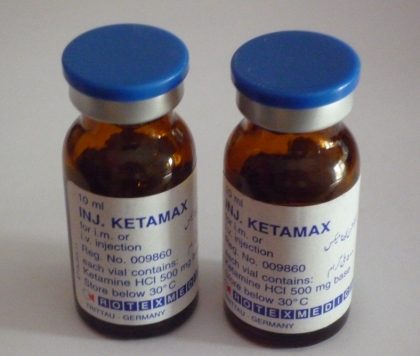


Ketarol (Ketamine HCL) 500mg/10ml Injection – Uses, Dosage, and Key Benefits
Ketarol 500mg/10ml injection is a powerful anesthetic and analgesic medication widely used in medical and veterinary settings. It belongs to the class of dissociative anesthetics, which work by interrupting the brain’s communication pathways to produce a trance-like state while maintaining pain relief, sedation, and memory loss. This makes Ketarol a valuable choice for surgical anesthesia, pain management, and procedural sedation.
What is Ketarol Injection?
Ketarol contains Ketarol 500mg/10ml injection as its active ingredient. It is available in a 500mg/10ml vial and is typically administered intravenously (IV) or intramuscularly (IM) by a trained healthcare professional. Unlike many other anesthetics, Ketamine helps maintain cardiovascular stability and spontaneous respiration, which makes it especially useful in emergency or trauma situations.
Medical Uses of Ketarol (Ketamine HCL)
-
Anesthesia Induction and Maintenance:
Ketarol is commonly used for inducing and maintaining anesthesia in short surgical procedures. It provides rapid onset of action and smooth recovery with minimal respiratory depression. -
Pain Management (Analgesia):
At sub-anesthetic doses, Ketarol helps manage acute and chronic pain, including post-operative pain and pain associated with burns, fractures, and cancer. -
Procedural Sedation:
It is often used for minor diagnostic or therapeutic procedures, such as wound cleaning, endoscopy, or orthopedic manipulations. -
Treatment-Resistant Depression (Off-label use):
In recent years, Ketamine has shown promising results in managing severe depression and suicidal ideation when other treatments fail. However, this use requires strict medical supervision. -
Veterinary Use:
Ketarol is also used as an anesthetic in veterinary medicine for both small and large animals.
How Ketarol Works
Ketamine HCL works primarily by blocking NMDA (N-methyl-D-aspartate) receptors in the brain, which prevents the transmission of pain signals and induces dissociative anesthesia. It also affects other neurotransmitters like dopamine and serotonin, contributing to its mood-elevating and analgesic effects.
Dosage and Administration
The dosage of Ketarol depends on factors such as age, body weight, medical condition, and intended use.
-
For anesthesia: Usually, 1–4.5 mg/kg IV or 6.5–13 mg/kg IM.
-
For analgesia or sedation: Lower doses (0.1–0.5 mg/kg) may be used.
The injection should always be administered under the supervision of a qualified healthcare provider.
Possible Side Effects
Like all medications, Ketarol may cause side effects, including:
-
Increased heart rate and blood pressure
-
Drowsiness or dizziness
-
Hallucinations or confusion (emergence reactions)
-
Nausea or vomiting
Most side effects are temporary and resolve as the drug wears off.
Precautions and Safety Advice
-
Avoid using Ketarol in patients with uncontrolled hypertension, severe cardiac disease, or psychiatric disorders.
-
It should be used cautiously with other CNS depressants or alcohol.
-
Always store the vial in a cool, dry place and out of reach of children.
Ketarol (Ketamine HCL) 500mg/10ml Injection is a highly effective anesthetic and pain management solution trusted by healthcare professionals worldwide. Its rapid onset, safety profile, and versatile clinical applications make it an essential drug in both human and veterinary medicine. However, due to its potent effects and potential for misuse, Ketarol should only be used under strict medical supervision.
Be the first to review “Ketarol 500mg/10ml injection”
Related products

Research-chemicals

Research-chemicals
Research-chemicals

Research-chemicals

Research-chemicals

Research-chemicals

Research-chemicals

Research-chemicals
Reviews
There are no reviews yet.